
Plus: What We Loved Most in 2025—and Why It Still Matters
The Throughline for 2026: Homes That Feel Collected, Not Curated
If 2025 marked a return to rooms that photographed beautifully, 2026 is shaping up to be the year we prioritize spaces that live beautifully.
Across the industry, the message is clear: warmth over perfection, story over sameness, and homes designed around real life. The most compelling interiors feel layered, personal, and grounded in materials that age with grace.
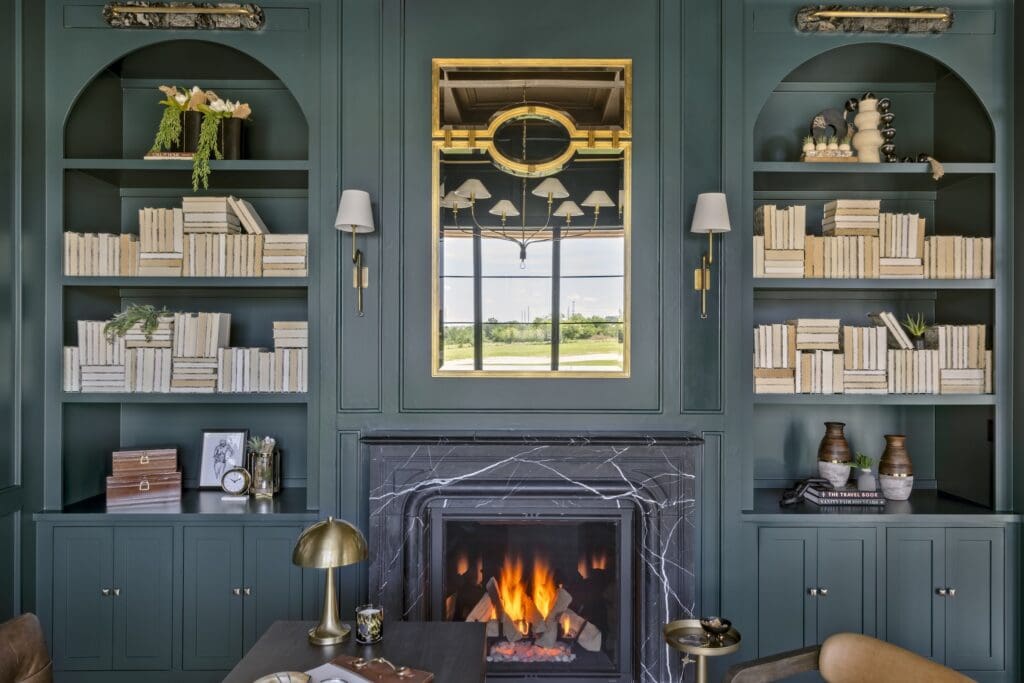
1. Lived-In Layers: The End of “Too Perfect”
In 2026, design continues to move away from overly polished interiors and toward spaces with depth, texture, and history. Mixed materials, collected furnishings, and finishes that show wear over time are no longer viewed as flaws—they’re the point.
“Selecting materials that age adds a level of sophistication. Natural or unfinished brass develops a beautiful patina over time, and natural stone—marble included—shouldn’t be feared for its imperfections. There are entire European cities filled with worn marble, and that history is what gives it character and authenticity.” — Henrieta Imrie, Interior Designer, Baker Design Group
How to apply this trend:
-
Introduce one vintage or antique piece per room to create a sense of story.
-
Layer lighting—overhead fixtures paired with lamps and soft accent lighting add dimension.
-
Choose one intentionally imperfect finish, such as limewash, plaster, aged metal, or reclaimed wood.
BDG in practice:
In our Booked and Boujee study, layered textiles, aged metals, and natural stone surfaces were used to create spaces that feel grounded, inviting, and quietly expressive—never overly styled.
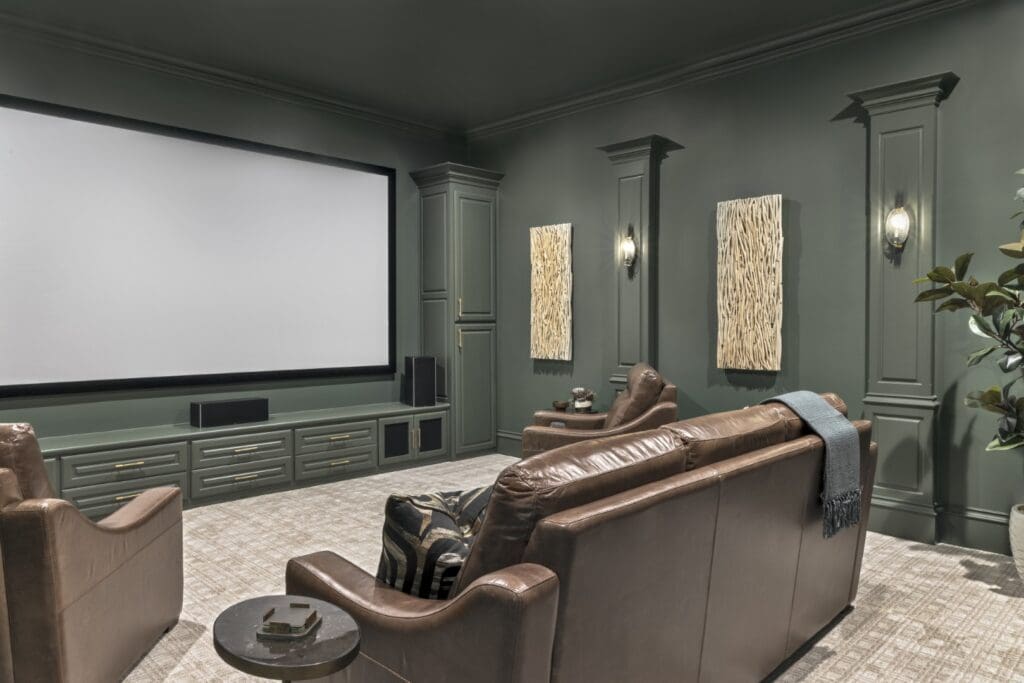
2. Warmth Wins: Woods, Earthy Neutrals & Moodier Color
Warmth continues to define the most sought-after interiors. Medium-toned woods, creamy and clay-based neutrals, and deeper color moments are replacing stark whites and cool minimalism.
“Clients are gravitating toward homes that feel warm and welcoming rather than overly minimal. Medium wood tones, rich neutrals, and even darker color moments help create that cozy feeling people want to come home to.”
— Jessica Warren, Dallas Interior Designer, Baker Design Group
How to apply this trend:
-
Select warm neutrals with undertone—cream, taupe, clay, or olive—rather than flat beige.
-
Use color drenching strategically in smaller spaces like powder baths, studies, or media rooms for a bold yet intimate feel.
Baker Design Group in practice:
From moody powder rooms to layered living spaces, Baker Design Group frequently uses warm woods and tonal palettes to create interiors that feel enveloping rather than stark—balancing richness with restraint.
3. Craft & Patina: Materials That Get Better With Time
Mass-produced finishes are giving way to craftsmanship and tactility. Unlacquered metals, textured wall treatments, and handmade details are central to interiors that feel authentic and enduring.
How to apply this trend:
-
Replace one high-shine finish with something that will mellow over time, like aged brass or burnished bronze.
-
Add texture to vertical surfaces through plaster, limewash, grasscloth, or a statement ceiling.
BDG in practice:
Across many Baker Design Group homes, walls are treated as architectural elements—layered with texture and subtle movement to add depth without visual noise.
 4. Statement Stone & Meaningful Art
 4. Statement Stone & Meaningful Art
Bold stone and expressive art are becoming emotional anchors in the home—used intentionally rather than everywhere at once.
“Don’t be afraid of oversized or bold elements—they create drama and instantly elevate a space.”
— Henrieta Imrie, Interior Designer, Baker Design Group
How to apply this trend:
-
Scale art generously, especially in living and dining spaces.
-
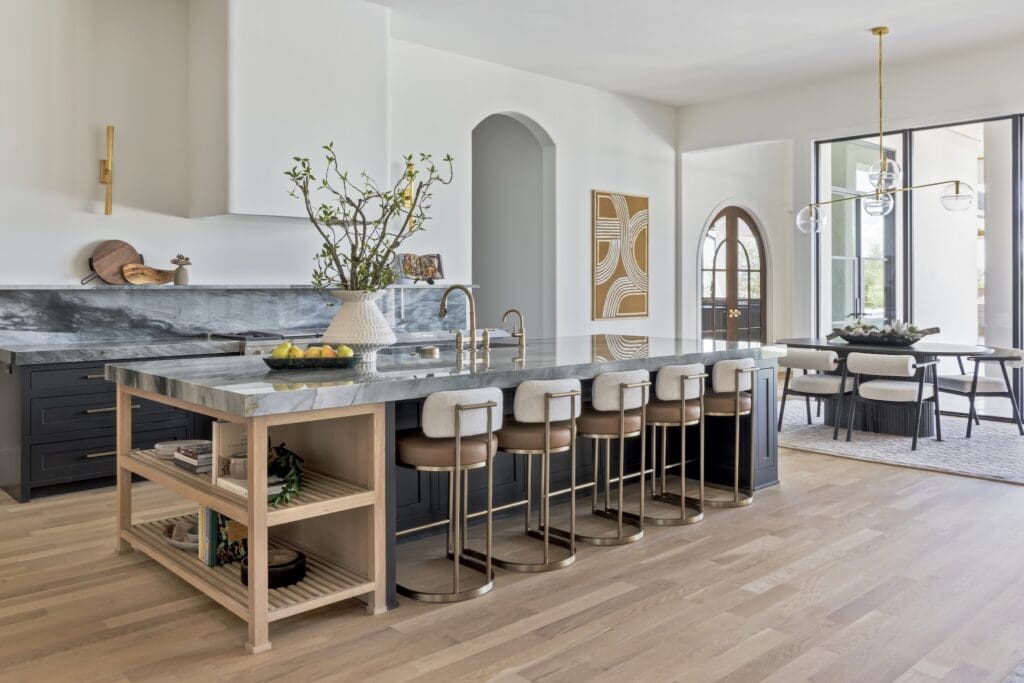
Choose one hero stone moment—such as a fireplace surround or kitchen island—to make the strongest impact.
Baker Design Group in practice:
Statement stone fireplaces and curated art moments frequently anchor BDG living spaces, providing both visual focus and emotional resonance.
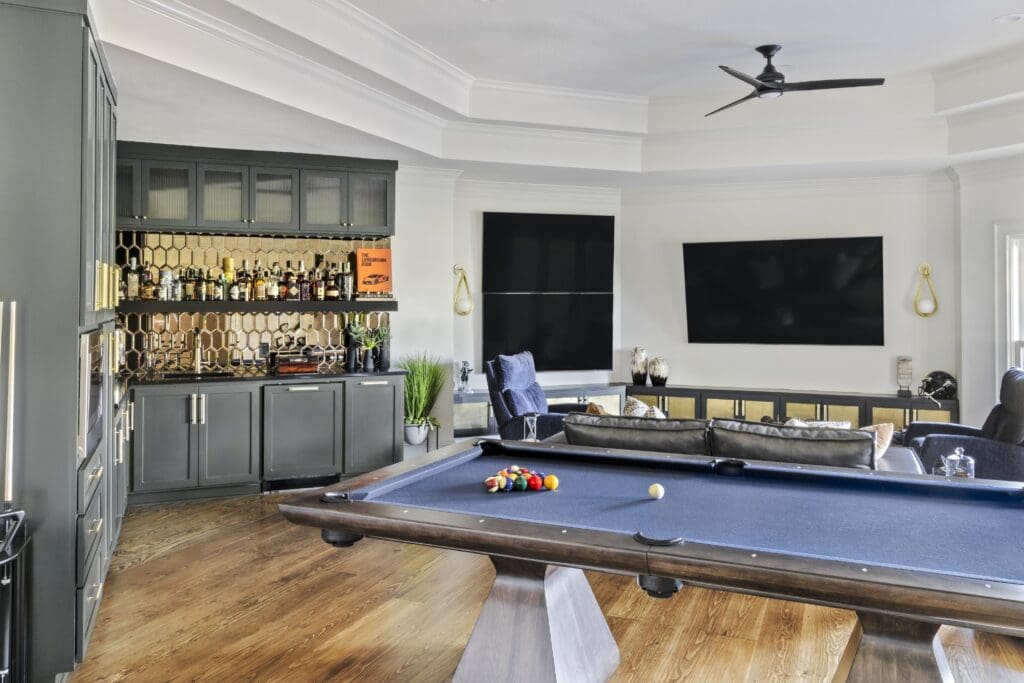
5. Hospitality at Home: Designing for Gathering
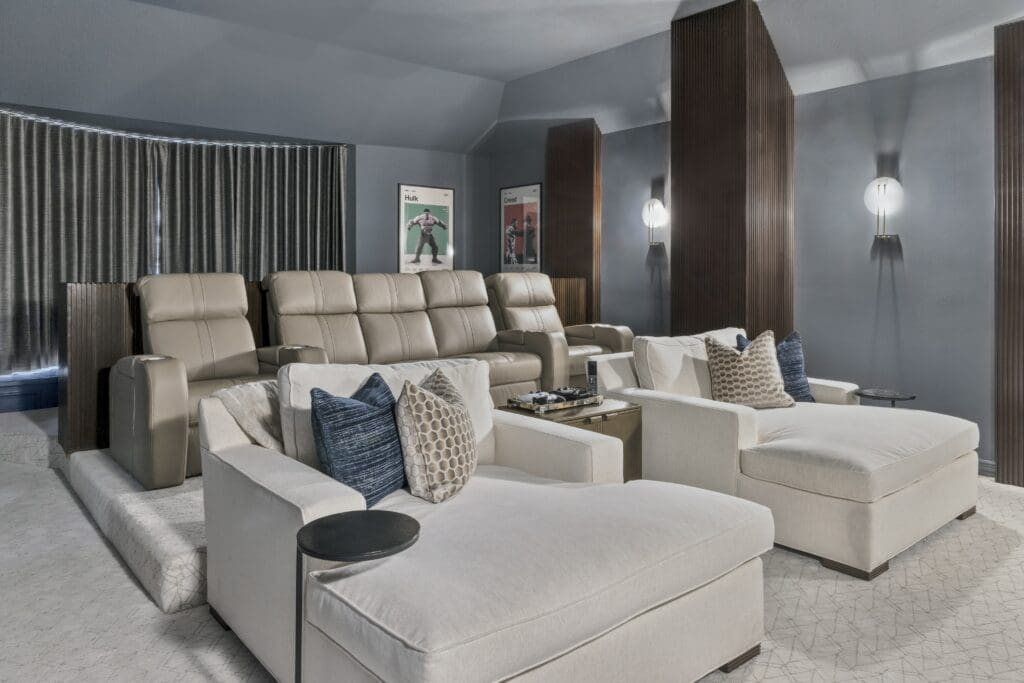
Homes in 2026 are increasingly shaped around connection and experience. Thoughtful layouts, layered seating, and intentional lighting encourage people to linger.
“The conversation is increasingly centered on spaces designed for genuine connection. Furniture islands, chat-height tables, and seating curated for intimate exchange allow homes to feel welcoming and deeply human.”
— Lisa Floyd, Director of Interior Design, Baker Design Group
How to apply this design trend:
-
Create a ‘serve and linger’ moment—coffee stations, bar nooks, or beverage drawers.
-
Use layered seating and moody lighting to support relaxed gathering.
Baker Design Group in practice:
Whether through custom bars or conversation-forward living rooms, BDG designs entertaining spaces that feel elevated yet effortless.
6. Smarter Planning: Homes That Support Real Life
Rather than chasing a single look, 2026 blends eras and priorities—comfort, flexibility, and longevity.
“Your home should support how you actually live. Spaces that do more than one job—and plenty of storage—make daily life easier and more enjoyable.”
— Jessica Warren, Dallas Interior Designer, Baker Design Group
How to apply this trend:
-
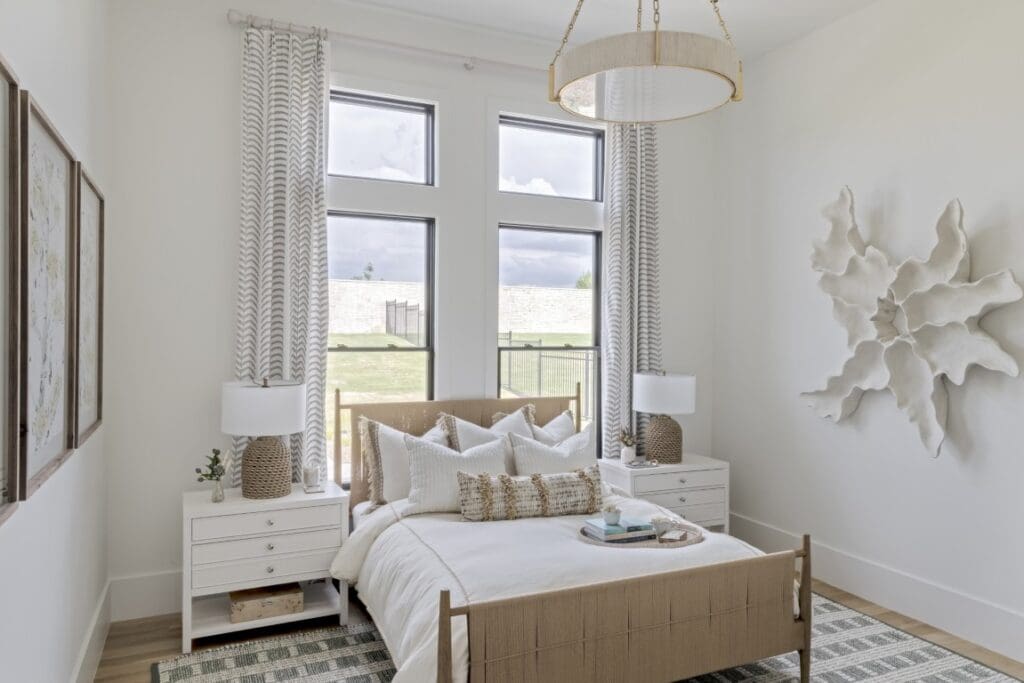
Choose flexible furniture like storage ottomans, daybeds, and modular seating.
-
Design quiet zones for rest, focus, and unplugging.
What We Loved Most in 2025—and Why It Matters
The most-loved interiors of 2025 shared a common thread: beauty with purpose. Thoughtful layouts, layered comfort, and strong storytelling proved that function and feeling matter just as much as aesthetics.
The takeaway: Homeowners don’t just love beautiful spaces—they love spaces that work. That mindset defines the best design trends of 2026.
 |
 |
 |
 |
 |
The 2026 Interior Design Forecast, in One Sentence
2026 will reward homes that feel personal, tactile, warm, and experience-driven—where craftsmanship shows, materials age well, and design supports real life and real connection.
Do This / Not That for 2026
Do: Layer textures and eras, embrace patina, design for gathering, and invest in one bold material moment.
Skip: Sterile, overly matched interiors with no sense of story.